Colposcopy
Colposcopy is a key gynaecological examination that allows the cervix to be examined in detail and any precancerous or cancerous lesions to be detected. Carried out after an abnormal smear test or in the event of a human papillomavirus (HPV) infection, it plays an essential role in the screening and management of cervical abnormalities.
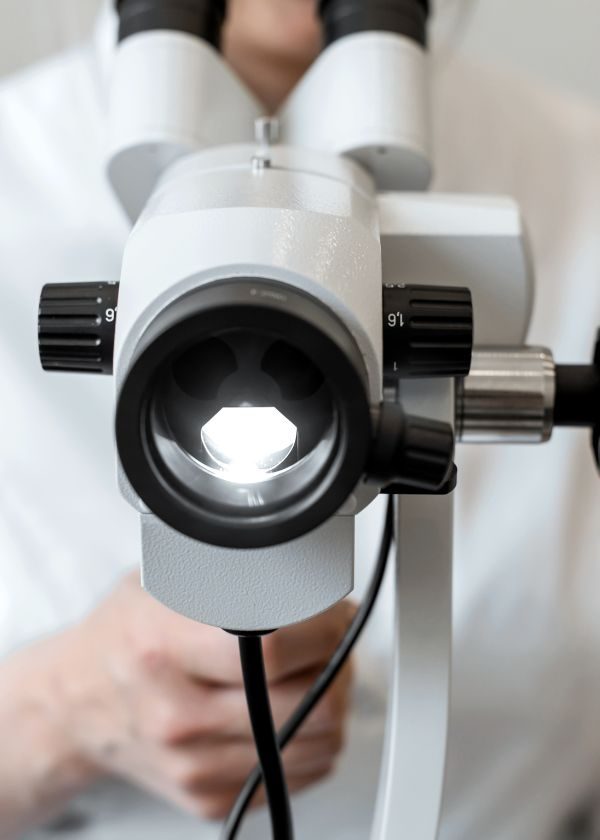
What is a colposcopy?
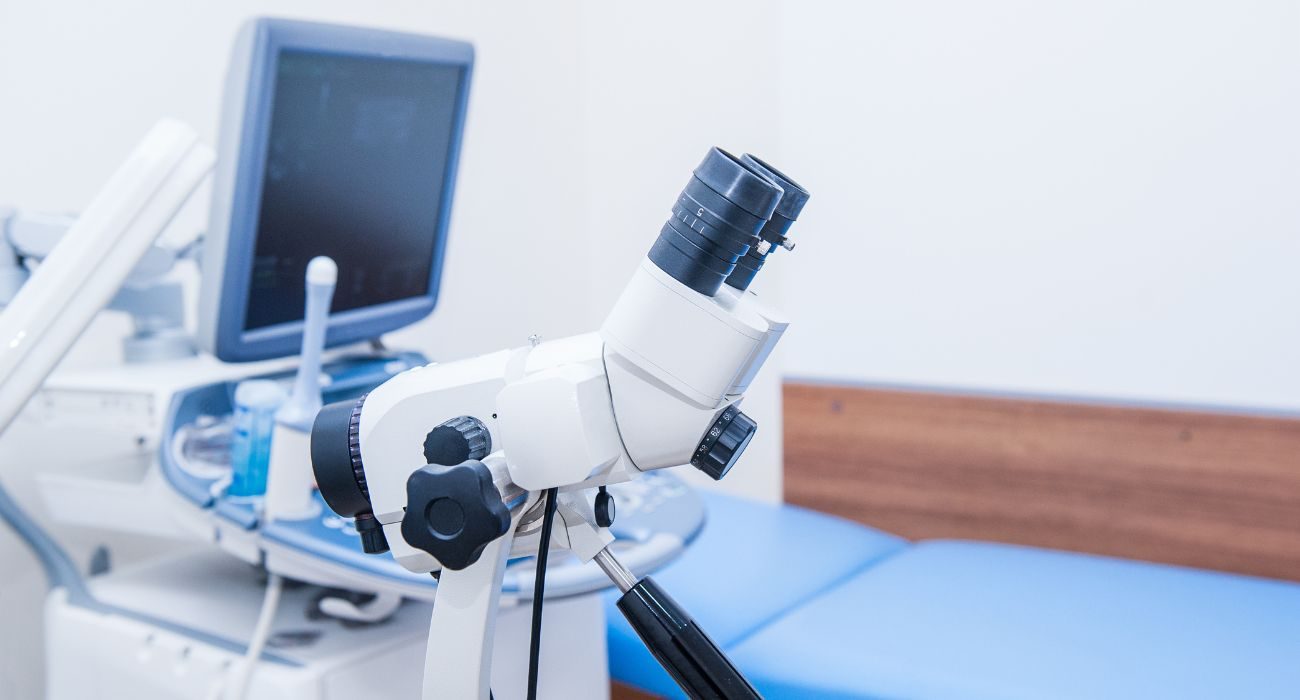
Colposcopy is an in-depth visual examination of the cervix, vagina and vulva using a colposcope, a binocular microscope that allows the tissues to be observed in detail. This examination is painless and is generally carried out during a gynaecological consultation.
Why have a colposcopy?
- An abnormality detected during a cervical smear test.
- Screening and follow-up of an HPV infection.
- Monitoring of precancerous lesions.
- Assessment of symptoms such as unexplained bleeding.
How the examination works
Before the examination
No specific preparation is necessary, but a few recommendations should be followed:
- Avoid sexual intercourse, vaginal douching and the use of tampons in the 48 hours before the examination.
- Do not have the examination during your period, as the presence of blood can hinder observation.
During the examination
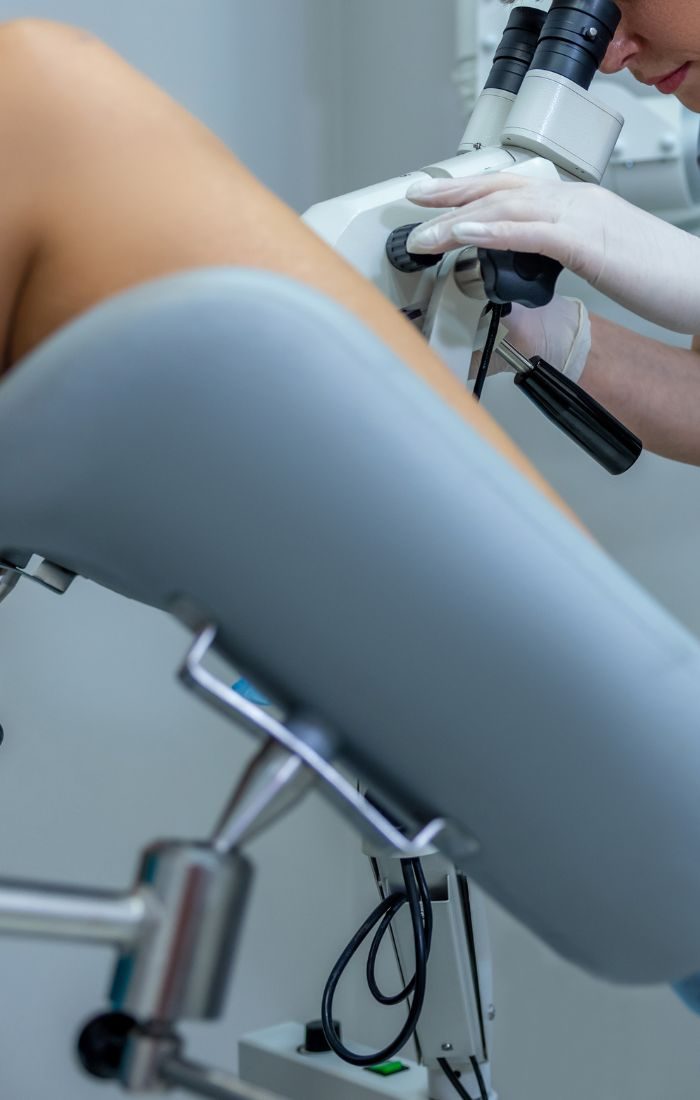
The examination takes around 10 to 15 minutes and proceeds as follows:
- Positioning of the patient in the gynaecological position.
- Insertion of a speculum to expose the cervix.
- Observation with the colposcope, without direct contact with the patient.
- Application of reagents (acetic acid and Lugol's solution) to identify any abnormalities.
- Biopsies if necessary (removal of small fragments of tissue for analysis).
After the examination
- A feeling of discomfort or slight bleeding may occur after a biopsy.
- The results are generally available within a few days and will make it possible to decide on the next steps.

Interpreting the results and treatment
Normal results
No abnormality detected: monitoring continues with a follow-up smear test according to medical recommendations.
Presence of abnormalities
If precancerous lesions or signs of infection are identified, several options are possible:
- Close monitoring with regular colposcopic and cytological checks.
- Treatment of precancerous lesions by conisation (excision of a fragment of the cervix).
- Specific management in the event of confirmed cancer with multidisciplinary follow-up.
Frequently asked questions
Colposcopy and HPV: what is the link?
Human papillomavirus (HPV) is the main cause of precancerous lesions of the cervix. A colposcopy is often prescribed in the event of a positive HPV test to assess the condition of the cervix. However, a positive HPV test does not necessarily mean that there is a cancer. The examination assesses the presence and severity of any abnormalities.
Is colposcopy painful?
The examination is generally painless, although some patients may feel slight discomfort, particularly when the reagents are applied or in the event of a biopsy.
Can I resume my activities after a colposcopy?
Yes, activities can be resumed immediately. In the event of a biopsy, it is advisable to avoid sexual intercourse and the use of tampons for 48 hours.
When will I receive the results?
The results of the colposcopy are often given immediately. In the event of a biopsy, the analysis can take 7 to 15 days.
Does a colposcopy mean that I have cancer?
No. The examination is a screening tool that assesses the presence of lesions which, in the majority of cases, are not cancerous but require follow-up.
Is a biopsy always taken during a colposcopy?
No, a biopsy is only taken if the doctor observes suspicious areas during the examination. In that case, a very small fragment of tissue (2-3 millimetres) is removed for analysis to confirm or rule out the presence of a lesion.
How can cervical abnormalities be prevented?
- HPV vaccination from adolescence.
- Regular screening by cervical smear test.
- Protection during sexual intercourse to reduce the risk of HPV infection.
Do condoms protect against HPV?
Condoms reduce the risk but do not protect completely, because the virus may be present on areas not covered by the condom.
At what age should children be vaccinated against HPV?
Vaccination is recommended for girls and boys from the age of 11. It is all the more effective when carried out early, before the start of sexual activity. Catch-up vaccination is possible up to the age of 19, and up to 26 in some cases. Vaccination does not remove the need for regular screening in adulthood.
Is vaccination useful if I have already had sexual intercourse?
Vaccination can still be useful even after the start of sexual activity, because it protects against several types of HPV. Talk to your doctor, who will assess its value in your situation.
Does a positive HPV test necessarily mean a lesion or a cancer?
No, absolutely not. The majority of HPV infections disappear spontaneously without causing lesions. It is the persistence of a high-risk HPV infection over several years that can, in some cases, lead to the appearance of precancerous lesions. This is why regular monitoring is important.