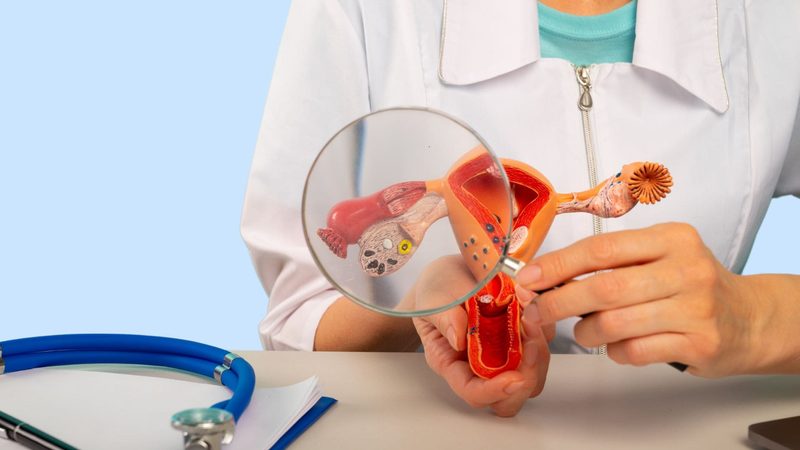
Prevention and screening of women's cancers: why it is essential
Gynaecological and breast cancers affect many women every year, but thanks to prevention practices and early screening, it is possible to reduce the risks and improve the chances of cure. Screening makes it possible to identify these cancers at an early stage, often before symptoms appear, which makes the treatments more effective and the procedures less invasive.
Gynaecological and breast cancers: a public health challenge
Cancers of the cervix, endometrium, ovaries and breasts are among the most common in women. According to the INCa (French National Cancer Institute), breast cancer is the leading cancer in women in France, followed by cervical and endometrial cancers. Ovarian cancer, although less common, is one of the deadliest.
The figures are alarming, but advances in treatments and screening strategies have led to a marked improvement in prognosis. This relies mainly on early detection.
Early screening: a winning strategy
Screening for cervical cancer Screening for cervical cancer relies mainly on the cervical smear test, a test that detects abnormalities in the cells of the cervix. Human papillomavirus (HPV), responsible for 99% of these cancers, is often the cause of early lesions. The smear test therefore makes it possible to spot these lesions before they turn into cancer. Current recommendations call for a smear test every 3 years from the age of 25, or after 2 consecutive negative smear tests.
Screening for breast cancer Breast cancer screening is one of the best known. In France, women aged 50 to 74 are advised to have a mammogram every two years. For women at risk (family history, genetic predispositions), closer follow-up may be necessary, often from the age of 40.
Screening for endometrial cancer Endometrial cancer, although relatively rare, mainly affects women after the menopause. It is often associated with symptoms such as abnormal bleeding. Although there is not yet a systematic screening test as there is for breast cancer, paying particular attention to signs of bleeding after the menopause and consulting quickly are crucial for early detection.
Screening for ovarian cancer Ovarian cancer is one of the most difficult to detect early. The symptoms are often vague (bloating, pelvic pain, digestive problems), which leads to late diagnosis. There is no general screening test for this cancer, but regular monitoring of women at risk may include pelvic ultrasounds and blood tests (such as measuring the CA-125 marker).
Warning signs: do not ignore the symptoms
Although early screening is fundamental, it is also important to know the warning signs that may require a consultation. Signs not to be ignored include:
For breast cancer: a lump in the breast, a change in the shape or size of the breast, discharge of fluid from the nipple, or unusual pain.
For cervical cancer: bleeding between periods, after sexual intercourse or after the menopause, pelvic pain.
For endometrial cancer: abnormal bleeding after the menopause or between periods.
For ovarian cancer: persistent pelvic pain, bloating, changes in urinary habits.
Best practices for reducing the risks
Prevention of gynaecological and breast cancers also relies on healthy lifestyle habits:
HPV vaccination: Vaccination against human papillomavirus (HPV) can reduce the risk of cervical cancer and other genital cancers.
A balanced diet and physical exercise: Maintaining a healthy weight and taking regular physical activity can reduce the risk of several types of cancer.
Limiting alcohol and tobacco consumption: These two factors are known to increase the risk of many cancers, including breast cancer.
Towards personalised care
HIPEC and PIPAC reflect the progress made in gynaecological oncology. Thanks to these innovative techniques, patients with advanced cancers can benefit from better-targeted and potentially less toxic treatments. However, these procedures must be performed by specialist teams in experienced centres.
Frequently asked questions
How often should I have a cervical smear test?
A cervical smear test should be carried out every three years from the age of 25, or after two consecutive negative smear tests.
When should I start having mammograms?
Mammograms are recommended every two years from the age of 50. However, if you have a family history or risk factors, you can start earlier.
Can ovarian cancer be detected by a screening test?
There is no systematic screening test for ovarian cancer. However, women at risk can be monitored by ultrasound and blood tests.
What are the warning signs of breast cancer?
The signs include a lump in the breast, unusual pain, a change in the shape or size of the breast, or abnormal discharge from the nipple.
Can I reduce my risk of breast and ovarian cancer?
Yes, a healthy lifestyle, a balanced diet and HPV vaccination can reduce the risks.
Medical follow-up after cancer is not limited to watching for recurrences. It supports each patient in managing side effects and gradually returning to normal life, thanks to a multidisciplinary team attentive to your needs.
The HIPEC and PIPAC techniques combine chemotherapy and surgery to improve the care of ovarian cancer. Focus on these advances in gynaecological oncology.