Surgical procedures
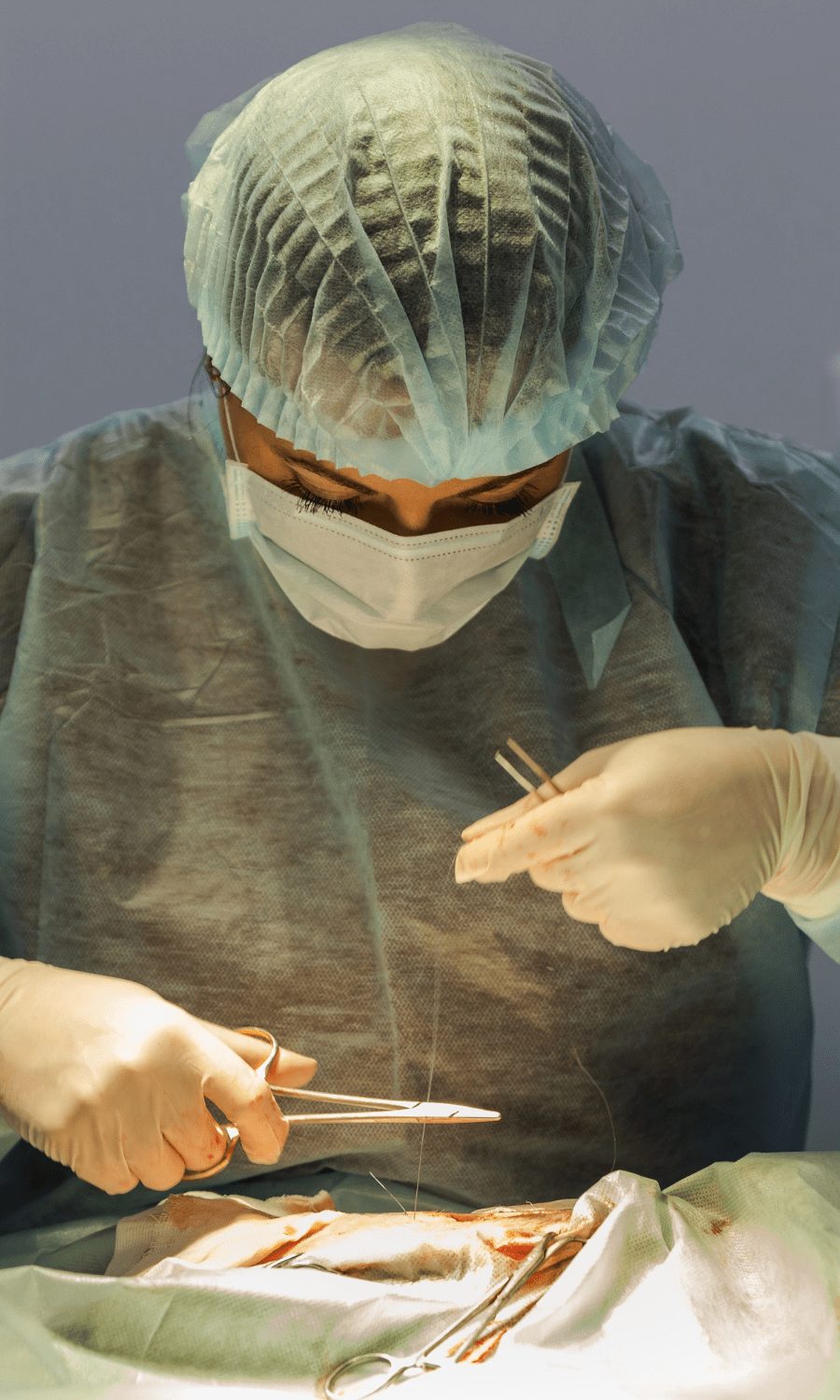
In ovarian cancer, several surgical procedures may be necessary:
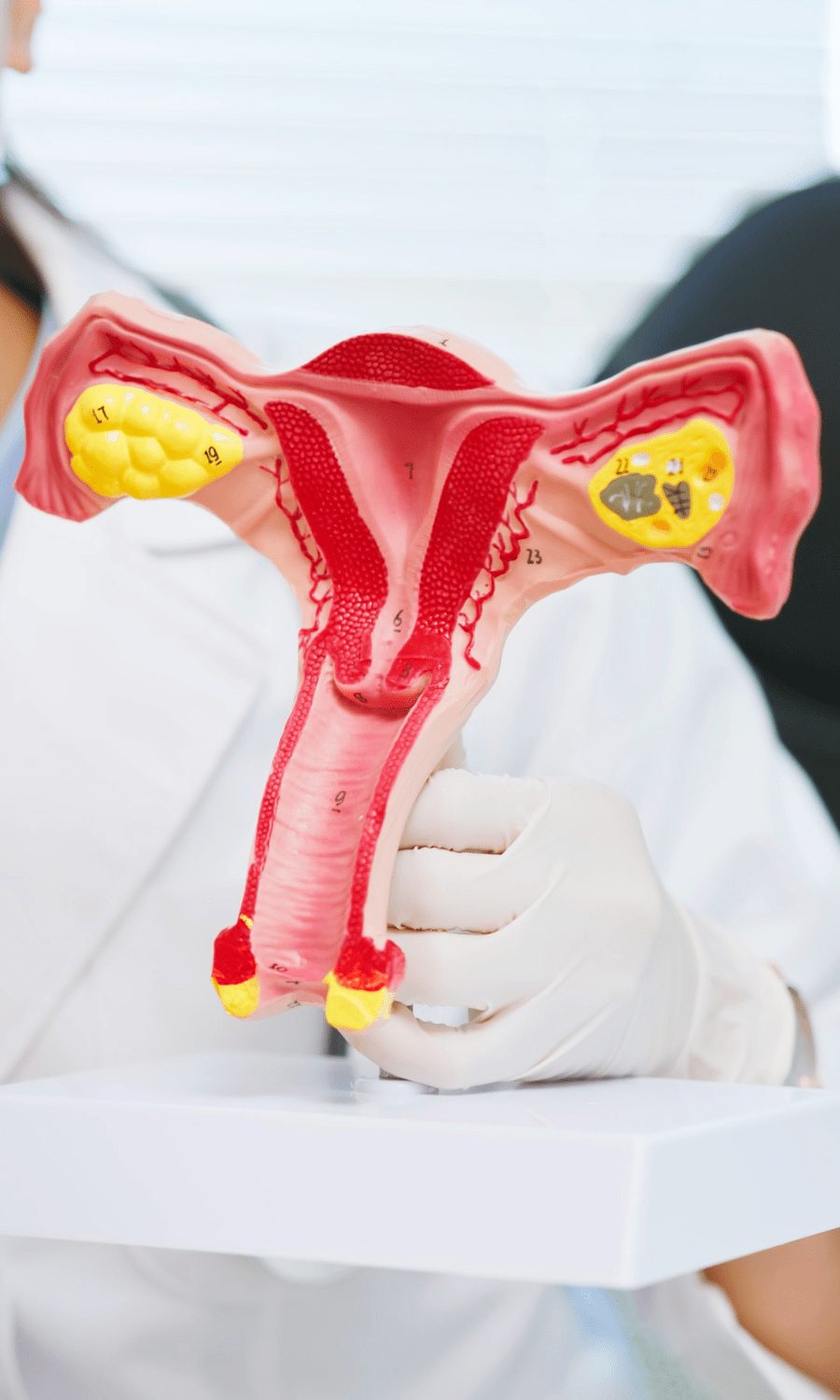
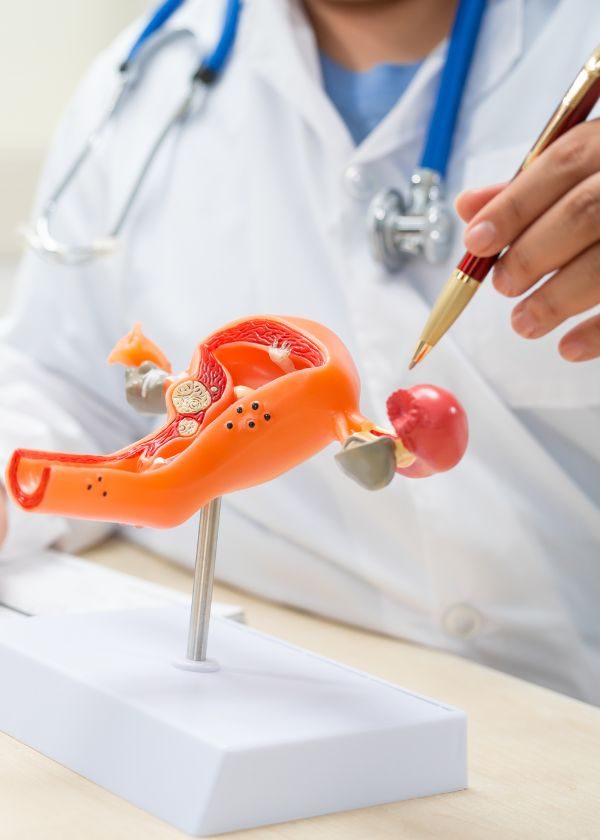
Removal of the ovaries and fallopian tubes: This operation, called adnexectomy, consists of removing both ovaries and the fallopian tubes where the cancer develops. In women who have not reached the menopause, this removal will cause an immediate menopause that will require specific support.
Hysterectomy: This is the complete removal of the uterus. It is generally necessary because ovarian cancer can spread to the uterus, and its presence could encourage a recurrence.
Omentectomy: This operation consists of removing the omentum, a fatty tissue that covers the organs of the abdomen. This tissue is often a preferred site of ovarian cancer spread, so its removal is important to optimise the treatment.
Lymph node dissection: This is the removal of the lymph nodes of the pelvis and abdomen to check whether the cancer has spread there. This step is essential to determine the exact extent of the disease and adapt the complementary treatments.
Removal of suspicious lesions: The surgeon carefully examines the entire abdominal cavity and removes any area suspected of being affected by the cancer. This procedure is crucial because ovarian cancer tends to spread within the abdomen in the form of small nodules.